
orus casinobodogruletaluckiabetanosportiumspin casinostakes3 reyes888lottolandcoolbet777 casinogana777betfairbwinyak casinoivy casinooddscheckerred casinonetbetwilliam hillvip casinorey casinomarathonbetdafabetsol casino1betwinlandbet777parimatch18bet888casinocampobetmostbetganabetrushbetbetcrisbetssonluckynovibetwinnerwinpotbetmasterbetmexicocancunplaycitystrenduspokerstarscoderecalientefun88bbrbet1win10betbetwaypin upspinbet7cslotpickwinspin betmr fortunew88pragmaticgamdomcrasherjojobetbetmexbcasinofoliattiwinner mxbets 10big bolabet masterinbet7slotslucky daym777mexplayluckydaysbet caliente1xplinko

fitness journey Archives - FitSof

{post_title)

Stop Starting Over – Your Fitness Journey isn’t Linear


Starting your fitness journey can be difficult. The new road you’re walking on can be rocky and filled with obstacles. Lack of motivation, as well as lack of reasons to continue the fitness journey might be stopping you and giving you doubts about where you’re at: whether you think what you’re doing isn’t enough, or it is becoming too much for you to keep up with.

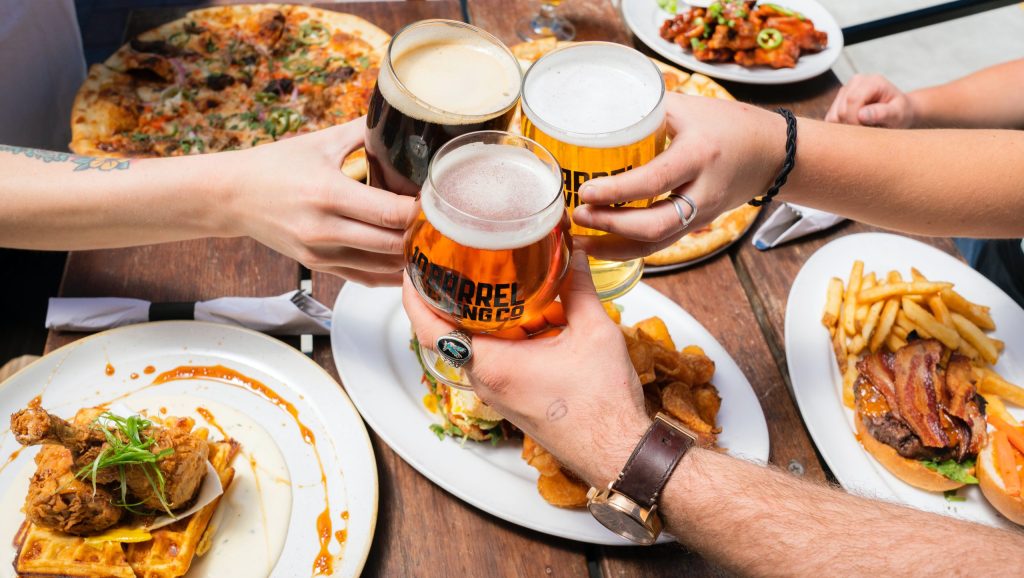
The idea people have about fitness, how it works, and how it influences their lives is mostly false. Fitness isn’t linear, your journey doesn’t start and stop at some ending point. Achieving some goal, such as weight loss or muscle gain doesn’t put an end to the journey you invested your time, money and effort in. After you spend some months, or a year, exercising and doing your best with this new lifestyle you try to keep up with, you might face some situations that you might think are “obstacles” and are holding you back. Those obstacles might be everyday things, such as celebrations, holidays, hanging out with your friends, and even your own birthday. You find yourself craving some more food than usual, and you might want a sip of alcohol. Meanwhile, you observe everyone not restricting themselves as you are, and it’s making you anxious. This is where you should put a stop to your toxic thought process, relax and enjoy yourself, eat delicious food, have a drink and spend time with your loved ones.

How you think, and what you need to understand


Moreover, you don’t think positively, you think you’ve made a horrible mistake, and all you worked for the whole week is for nothing, right? Your day is ruined, you get depressed thinking that you overstepped, ate too much and ruined your calorie deficit, you definitely didn’t get the right amount of protein for that day etc. Then you make a decision, you say “maybe I’m not ready to dedicate myself to this lifestyle, I lack discipline, I will never be good enough, so I will stop and continue when I’m ready”. The next day, you eat less and you train harder, to burn the extra calories you consumed. Perhaps, you even starve yourself and do a juice cleanse, to detoxify your body from eating a piece of cake and drinking a cocktail.  Does this sound like you? It does sound ridiculous when you observe thoughts like this, so alter them, change this way of thinking. This thought process will get you stuck in a loop, a never-ending cycle of starting your fitness journey, and putting a stop to it. Meanwhile, you will let your health suffer again, you’ll slowly lose the reasons that kept you on the right path to a better you, and you won’t start again until you look in the mirror and notice something that bothers you.

How to break the cycle
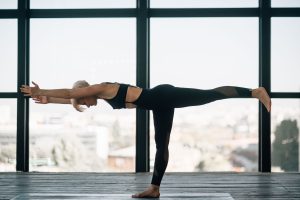
 

As a beginner and a person that just started diving into the world of fitness, you have to understand that fitness isn’t linear. You don’t have to invest 100% of your time, money, will and strength for your fitness plan to work out. It’s important to reevaluate, think about your strengths and weaknesses and accept them, put your basic needs and your mental health first. It’s okay to eat more when you feel like it: start practicing intuitive eating to feel your best, and eat nutritious meals to keep you full for longer.
When you feel like you’ve overstepped, or made a mistake, alter your thought process and practice positive thinking, think about why you reacted that way and if it really does bother you, think about ways to avoid it next time. While having a plan with a solid and attainable goal in mind is great, you should always prepare for unexpected celebratory meals, outing with your friends and dinner parties. These normal social activities should not give you anxiety and fear of the food you’re going to consume. If they do, consider consulting your doctor and getting an opinion on whether you need professional help.


Conclusion


Fitness is a complex concept that involves the likes of nutrition, dieting, exercise, and if needed, taking the right kind of supplementation to help with keeping up with everything mentioned above.  It will not take you only a few months, or even a year to understand how everything works, and how to even start aiming and/or working for your set “goals”. Be patient with yourself and learn, try and fail, but do not give up. If you find yourself getting stuck on a toxic thought process, reevaluate your thoughts and change them. If a break is what you need desperately, take it. If you need to recover physically and mentally, then take your time. However, stop thinking that eating one bag of chips will ruin your whole year of hard work and dedication, because it is simply not true. Work on your mindset and remember:

“The only person you should try to be better than, is the person you were yesterday”.
{post_title)

5 Things I Wish I Knew Before I Began My Fitness Journey


Everyone starts somewhere. Whether it’s a new hobby or a lifestyle change, the beginnings are always tough. At first, when you start your fitness journey, it may be exciting to try new things, and see how far you can go. You will be excited to finally take those extra steps to better yourself, you’ll buy equipment and workout clothes, maybe try a protein shake; but then things start to change. You go to the gym and you start feeling lost. Everyone around you seems to know what they’re doing, except you. You may be at home and struggling to finish a fifteen-minute YouTube workout, wondering if you can find motivation to continue on this journey.

During this period of uncertainty and doubt, the best thing you can do for yourself is educating yourself, yes, you read that right! Watch videos, listen to podcasts, read articles, blogs, books, anything that will provide you with the information you need. Lack of knowledge and information about your new lifestyle choices, may lead you to quit without even really starting. Nobody starts working out and immediately knows how to hold proper form, or knows a number of exercises that target each muscle group. Everything you aspire to become, is learned through trial and error, which brings us to the first point:

1. Everyone was a beginner at some point


Education about fitness is crucial, in every form or way that you want to consume it, but it’s not the only thing you need at the beginning of your journey. Even with all the information provided on the internet, some people still might need a little push. Asking for help from enthusiasts or professionals is totally okay! Most of the people in the fitness world, will be glad to lend you a hand, motivate you or educate you. Don’t let your insecurities hold you back. Being shy, insecure or anxious is normal, even in the world of fitness. As you continue showing up to the gym, your Yoga or Pilates class, these insecurities will slowly fade away. You will eventually realize that nobody is staring at you, and everybody is invested in their progress, this we can promise.

2. Restricting food and dieting won’t help you lose weight.


There are thousands of diets out there, most of women have tried a number of them, but do they actually work? Usually, diets give you only short-term results, which can backfire if you’re not careful. The National Eating Disorders Association reports that 35% of “normal dieters” progress to pathological dieting and that 20-25% of those individuals develop eating disorders. If you want to lose weight in a healthy matter, and maintain that weight, you need a lifestyle change, not a diet. Remember that food is fuel; you need fuel for your brain, heart and muscles to function properly. Read our blog post on the classic debate whether abs are made in the kitchen and read our tips for advice on fat loss.

3. Stick to a workout program or routine


We recommend sticking to a routine for the best results. Even in the first month, when you’ve just started, its important to have some routine to practice. Presumably, you wont be able to write one for yourself as you are starting your journey, but there are always routines that you can download, or watch on the internet. These ready-made routines will help you learn as you exercise. Sticking to a routine for weeks or a few months will teach you about proper form, and most importantly discipline. Your confidence will only increase when you notice that you get better and stronger each week. Don’t be afraid to try routines, and even challenges if you’re feeling extra motivated! Extra tip for the ladies – don’t be afraid to add weight to your workouts! They will not make you look bulky or less feminine, just look at our coach Sof!

4. Feeling sore isn’t always a good thing


Muscle soreness is normal, for the most part. At the beginning, when you first start exercising, or when trying a new routine, your muscles may be more sore than usual, but be aware. Being sore all the time, accompanied by fatigue, might be a sign that you are overdoing it! Prioritize rest for muscle repair and your health in general. Overexercising might spike your cortisol, disbalance your hormones and lead to serious injuries. Consider stretching before and after exercising in order to avoid muscle soreness and injuries.

5. Motivation is learned


This is the most important point that we saved for last. No one you know is driven by any kind of motivation. The key to reaching your fitness goals is consistency, effort and discipline. All of these factors combine together and drive your motivation. Each one of these things need to be learned and practiced every day, in order for you to get what you want. So, even on your bad days, show up and do your routine. You can cut the routine short, or do it slower, anything that will help you complete it. Once you finish your exercise for the day you will feel so much better, your energy will skyrocket, your brain will be awake, and your sense of accomplishment will be fulfilled. Never give up the chance to become a better version of yourself!

Don’t forget to check out FitSof’s Push Start beginner program, where we implement tips like these, along with the 4-week exercise routines, and a guide on nutrition!

{post_title)

5 Tips for Eating Out When on a Diet


Each and every one of us likes to treat ourselves to a nice meal in a restaurant sometimes. Some people that don’t enjoy cooking, prefer eating out over home cooked meals. But how often do you question the quality of the food you’re eating outside of your home, and how it affects your health? According to USDA, what they call FAFH (food away from home) increases daily caloric intake and reduces diet quality. Breakfast and lunch away from home increase calories from saturated fat and SoFAAS (saturated and solid fat, alcohol, and added sugar) on average more among dieters than among nondieters. So, how do we approach this “bad” habit of eating out?

If you are a person that is trying to get their nutrition in check, it would be better for you to plan and cook your meals at home. These same rules apply for people that are in a calorie deficit/surplus, but some days, we all want to take a break from cooking. Events such as birthday dinners, celebrations, and anniversaries also make it difficult for us to avoid eating out:  they are associated with consuming some alcohol and fast food. This leads us to the question whether its possible to maintain our healthy diet and nutrition, without avoiding a nice meal out on some special days.

We are here to tell you the good news! It is possible to eat out without ruining your diet, or calorie deficit, with slight adjustments and planning beforehand.
Here are our 5 tips to follow while eating out on a diet:

1. Check the menu beforehand


Before heading out to a restaurant, do a little research on it. Check out the reviews, look at pictures and find the menu on their website or any social media profile. This way, you can see the prices, the food options you have and check out the ingredients to meet your macros. This also helps with the indecisiveness and overwhelming feeling that you get when you are rushed to choose a meal quickly when you’re already at the restaurant.

2. Do not starve prior to eating out


Getting excited and preparing to eat at your favorite restaurant, shouldn’t include skipping meals. If you’re planning to have a nice meal with your partner for lunch, don’t skip your breakfast, it’s as simple as that. Eating a big meal on an empty stomach will only result in a blood sugar spike, that will end up making you even hungrier. This will undoubtedly make you crave more food than you can handle, and you will end up overeating.

3. Go for grilled & steamed food, instead of extra fried, processed food.


Food such as meat and vegetables when grilled and steamed, keeps its nutrients and health benefits, when compared to the same food when fried or boiled. Grilled meats have a reduced fat content and lower calorie content which can lower bad cholesterol levels.
Additionally, recognize that some breakfast food, such as cereal and granola, is extremely processed. Be careful when eating in brunch spots that claim to be healthy, but add sugar and use processed ingredients that increase your calorie intake. Your acai bowl can have more calories than bacon and fried eggs! Don’t be fooled by food that is advertised as healthy, and always check the ingredients in it.

4. Ditch the appetizers


Along with hospitality, one of the main reasons you are served bread, or bread sticks before ordering a meal, is to make you hungrier! Simple carbohydrates trigger insulin production and spike your blood sugar, leading to cravings for more food. The cycle continues as previously mentioned in this blog, because you end up overordering and overeating. To avoid this, simply avoid appetizers and skip straight to dinner! Or if you have company, share the appetizer to consume less calories.

5. Limit your alcohol intake


Liquid calories are sneaky, and mostly forgotten while counting calories in dieting. Unfortunately, liquid calories count too, and alcohol has many of them! If you love your wine and want to relax on a night out, you don’t have to avoid alcohol entirely. Our pro tip is to set a limit on your alcohol intake, by choosing a number of drinks you’ll have for the night. You should also consider opting for some lower calorie options when choosing to drink alcohol. Vodka soda, white wine, and hard seltzer are some of the best low calorie alcoholic drinks!

Bonus tips:

1. Share your food!

 In some countries such as the USA, dinner portions are quite big. If you feel full, don’t force yourself to finish the meal. Instead, share it with somebody or ask the staff to pack your food and take it home with you.

2. Avoid soda.

Along with a lot of calories, soda contains huge amounts of added sugar! These types of drinks dehydrate you, make you feel bloated and increase your calorie intake. Instead, try drinking unsweetened ice tea, or just water.

3. Ask for sauces and dressings on the side.

When ordering salads, or anything that includes sauces and dressings, ask the staff to bring them separately. Sauces and dressings can contain a lot of calories, which can add up to the ones of your meal. If you ask for them on the side, you can control how much of them you consume, or if you want to add them to the meal at all.


Consider these five tips when eating out so you avoid those sneaky extra calories.
But firstly, remember to enjoy your meal and spend some quality time with your loved ones! One extra meal wont ruin your whole diet, because your fitness journey isn’t linear.

{post_title)

To Stretch or Not to Stretch?


Does stretching remind you of the days you had P.E on in middle school, where your teacher would line everyone up and make them stretch?  annoying, right?  Everyone feels differently about stretching, and most people avoid it. We can admit that it does add on ten to fifteen minutes in a workout routine, and that some days, it can be a little overwhelming. But we are asking the important questions here: Do you actually need to stretch?

The simple truth is that, every good workout routine has a warm up, and cool down included. Stretching is an important component in every routine, it helps your body prepare for the physical movement, and training that you’re planning to put it through. However, not every kind of stretching can help you prepare for a workout effectively. Let’s look through the types of stretching, and discuss the unique importance they have for physical health.

There are many types of stretching, but lets look through the most common and important ones:


Active stretching

Active stretching is when you move a limb into a position to stretch a muscle and then hold it there under your own muscular power. This means that you hold the muscles into a certain pose, while targeting a particular muscle group. This type of stretching is quite simple and gentle, can help with injuries and release tension.

Passive stretching

This type of stretching is excellent for enhancing your balance, as well as your flexibility by holding a position or a pose with gravity or by hand. As a specific outside force (towel, resistance band, or another person) is reaching the outer limits of your range of motion, the target muscle is being lengthened. This type of stretching can be quite tiring for your muscles because of its intensity, so it is not recommended to do right before exercising.

Dynamic stretching

Dynamic stretching involves making active movements that stretch the muscles to their full range of motion. These exercises often simulate functional movements and help prime the body for more intense training. An example of a dynamic stretch is a runner doing the “high knees” movement, while preparing for a long run. This type of stretching can be done before a workout (warm up) and after a workout (cool down).

Somatic stretching

Somatic stretching refers to the release of muscular tension through gentle movement and an awareness of how your muscles feel in various positions and movements. Similarly to yoga, this type of stretching doesn’t only focus on the physical, but also on the mental wellbeing of the person. Somatic stretches can be done every day, and can help relieve tension, stress, and improve mobility.

The Importance of Stretching


Being physically active, and getting daily movement is crucial for your physical and mental health. However, a lot of factors such as your age, your bodily composition and health issues (some diseases) can affect your capability and performance. This where stretching and its benefits come to play. Stretching can lower your heart rate, blood pressure, prevent injuries, and improve flexibility and mobility among other things. It is recommended that you stretch at least three times a week. You can follow individual stretching routines, or do a number of stretches that you choose before a workout routine. For example, in the gym, a set of dynamic stretches would be a perfect choice for a proper leg day, in order to preform better and avoid injuries during exercise. Stretching after working out is crucial, it helps your body cool down and recover faster after straining your muscles with exercise.


Summary


Stretching is an important component in every routine, it helps your body prepare for the physical movement, strain and intensity you’re about to put it through. There are many types of stretching, and each has benefits but some also have risks. However, you should still consider implementing stretching in your daily routine, or before and after exercise. Try out the different types of stretching, see which one works the best for your body and enjoy the benefits.

{post_title)

Why you should try volume eating for weight loss


Losing weight is a difficult road to take upon. You may have tried everything already, and still haven’t lost a pound. You have tried meal replacements, smoothies, salads, increased protein intake, calculating macros and calories, and you still feel hungry, there’s still no progress. Well, let us introduce you to a simple concept that you might have not tried yet. It will save you from cravings, and looking at half-empty plates, your new holy grail – volume eating.

What is volume eating?


Volume eating is a concept, strategy, or method of eating that allows for large consumption of food while minimizing calorie intake. Given that, gram per gram, different macronutrients provide a different number of calories, volume eating allows you to prioritize high-volume foods to help increase satiety and fullness without increasing calorie intake.

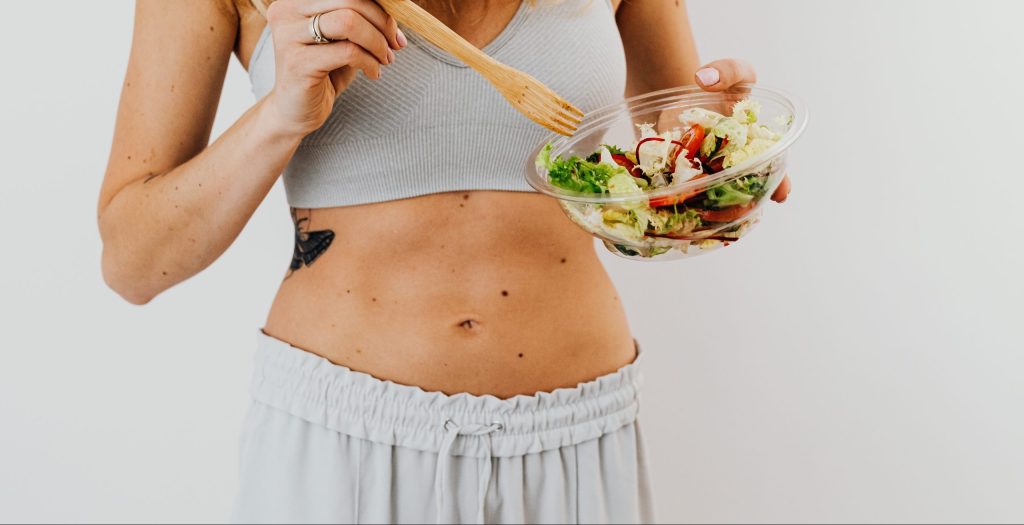
High volume foods are foods that are usually high in micronutrients such as fat and protein. These specific macronutrients have more volume, and usually have a higher fiber and water content, which will keep you fuller for longer. The most prime example of high volume foods are leafy greens, and vegetables. But don’t worry, those are not the only ones. Fruits such as berries, watermelon, and some good protein sources such as eggs, fish and oats are also on the list of high volume foods!

How does volume eating aid your weight loss?


Now that we went through the basics of this concept, lets explain how it can help you lose weight. Volume eating doesn’t just contain enough protein and volume to keep you full, but can also help you if you’re in a calorie deficit and trying to hit your MACROS, because they are also lower in calories! If eating more small meals during the day isn’t your thing, with volume eating, you’ll be able to eat big meals, be satisfied and even possibly avoid snacking. Incorporating high-volume food will increase the volume of food you consume, but not the calories!

Recommendations and tips

The best high-volume food to keep you satisfied and full

    •  Fat free cottage cheese

Cottage cheese is high in protein, and low in calories. Not to mention that it’s also super creamy and goes along with anything you have in your fridge. You can make savory and sweet combinations, such as cottage cheese and eggs, or cottage cheese with fruit and protein powder, to make it even more nutritious.

    • Canned tuna or salmon

Canned fish can be your go to! It’s easily accessible, and very easy to add in meals and upgrade them. They are an excellent source of vitamins, fat and protein and should always be on your grocery list.

    • Green saladsLeafy greens and mixed salads are big on volume and big on nutrients! They can be easily upgraded with protein and fat sources, and also with low volume foods to keep you satisfied for longer.

Bonus for those with a sweet tooth

    • Sugar free jello

      Jello is a perfect dessert for people with insulin resistance or people who are trying to watch their sugar intake. It has a lot of volume, and taste enough to keep your sugar cravings at bay.
    • Protein ice cream

      Protein ice cream is the perfect dessert to experiment with. If the store-bought ones are out of your reach, you can easily make it at home. Use your favorite protein powder, sugar free pudding and your choice of milk to make your own! You can experiment with different tastes, it will satisfy your cravings and keep you full.For more information and tips on nutrition and weight loss, check out our other blogs from the same category: Are Abs Made in the Kitchen? and 5 Tips for Eating Out When on a Diet.


{post_title)

Summer is approaching. Everyone is working on their goals, and elevating their fitness game. “Strong girl summer” is becoming a thing, and everyone is working on building muscle. If looking toned and tan this summer is a part of your goals, let us help you achieve them, here is what you need to know.

How do muscles grow?


Muscle size increases when a person continually challenges the muscles to deal with higher levels of resistance or weight. This process is known as muscle hypertrophy.

Muscle hypertrophy occurs when the fibers of the muscles sustain damage or injury. The body repairs damaged fibers by fusing them, which increases the mass and size of the muscles.

Now that you know the basics, it’s time to dig deeper. A lot of factors impact your muscle growth, some you might know of, but if you don’t, now is the time you learn! We will start with one of the most important ones:

How your biological sex, and age influence your muscle growth


You may have already heard that it’s harder for women to gain muscle, and that they do so much slower than men, and that is true. Unfortunately, testosterone is key to building muscle and burning fat, a hormone that men have more of. However, there are some good news. According to a study, in the long run, despite the physiological and hormonal differences between sexes, women demonstrated the same relative strength gains compared to men.  Just because women gain muscle slowly, it doesn’t mean that we can’t gain it at all, or gain less than men!

Age is also a big factor when it comes to muscle building and muscle growth. As we age, so do our bodies, experiencing sarcopenia. Sarcopenia is the involuntary loss of muscle mass, strength, and function. Muscle mass decreases approximately 3–8% per decade after the age of 30 and this rate of decline is even higher after the age of 60. But this shouldn’t discourage you: leading a healthy lifestyle and daily exercise has many benefits which can help you age gracefully.

There are many other factors that may influence and affect your muscle gain and growth. However, we decided to highlight what we think are the most helpful ones, which will lead the way to achieving your fitness goals:

3 Important Factors for Muscle Building


Lift heavier

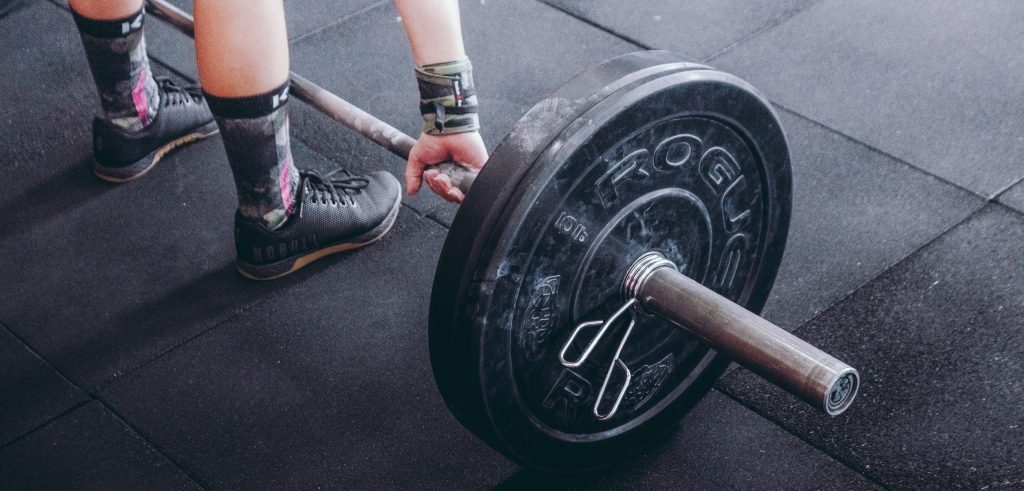
Using the same weights constantly, and not increasing the weight will get you nowhere. The only way to muscle growth is muscle hypertrophy, and for this, we recommend progressive overload! 
Progressive overload is a way of training that involves challenging your body, and slowly increasing the intensity of your training, in our case that would be increasing the weight of the equipment you are using. There is no need to rush, take this slowly, find what you are comfortable with and grow slowly but surely!

Give your muscles some rest

Rest is key in order to prevent muscle fatigue and injuries, but also essential for muscle growth. Exercising and lifting weight “tears” your muscle tissue, but when you rest, your cells repair those tears and help your tissue grow. It’s also important to note that working the same muscle groups every day is putting too much stress on them, it won’t help them grow! Make a plan, organize your trainings, and make sure to have rest days in order to achieve the best results possible.

Fuel properly

Eating well and eating enough food is the key for muscle growth. A restrictive diet, or a calorie deficit may impact your growth badly, if you aren’t eating enough protein. If your goal is muscle and mass growth, you should try a calorie surplus instead. Beware of not fueling your body properly if you train daily. Intense daily training and exercise, can actually have the opposite effect and you can lose muscle tissue, if you aren’t eating enough protein. If you struggle with counting your macros and protein intake, use an online protein calculator, or a calorie counting app to your advantage!


Make sure to read more of our blogs on related themes such as physical health and nutrition, for more tips and advice for your fitness journey!

{post_title)

Most women and men start their fitness journey with one goal in mind – weight loss. The food we eat nowadays is highly processed, unhealthy and bad for us. Not everyone can afford fresh, organic and food better in quality. Most people settle for what they can get their hands on, and what their budget allows. Furthermore, This leads to people making the wrong choices for their health, while obesity is a growing factor in our society. It’s no wonder that we get obsessed with losing weight, nowadays, it can be such a difficult thing to do. Even food that is marketed “healthy” and “diet” friendly, is processed and full of sugar, and the scale keeps going up, so what do we do?

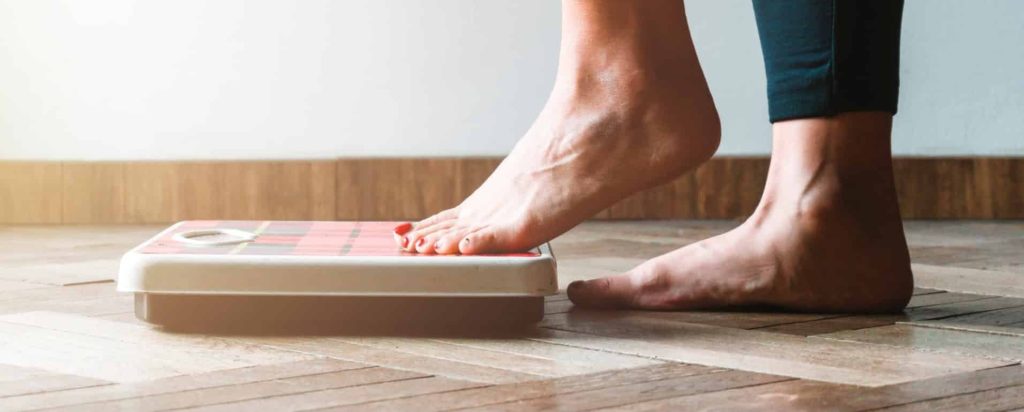
Undoubtedly, its important to set realistic goals in order to take care of our mental health and promote healthy weight loss. Measuring your weight every day, and counting calories of every bite you eat, will not help you. Your goals should be measured in healthy ways that will motivate and help you push forward to be the healthiest version of yourself. Here are 3 reasons why you shouldn’t measure your goals on the scale:

1. Being skinny doesn’t always equal being healthy.


Excessively dieting and over exercising can lead to many issues such as malnutrition, weakened immunity system and heart problems. Your pursuit of the “perfect body” can lead you on the wrong path, being underweight can be as bad as being overweight!

2.  Your body changes as you age.


Your body goes through a lot of change during your lifetime, this counts for both men and women. The biggest changes happen during your teenage years when growing into your adolescent body, and after the age of 40. You can’t expect to have the same weight at 18, 28 and 38. It’s normal for your body to grow and go through change, so you have to accept the change and work with it!

3. Your goals might change with time.


Goals change along with your fitness journey. Firstly, you might start exercising and eating healthier in order to lose weight and be as thin as possible, but then you change your perspective. You notice how you start feeling better and stronger, and wish to look more like you feel, so you end up wanting to gain more muscle! Consequently, this change will affect the number on your scale, but there is no need to panic. Gaining weight isn’t always a bad thing, and it might be a sign of you achieving your goals, but your mindset about it is what matters the most. What’s important is that you feel and look better, stronger and healthier, do not let the number on the scale mislead you.


You may have trouble accepting your weight and your body, especially if you let how much you weigh bother you, so, here’s how to measure your goals instead:


1. You look better


One of the first things you notice after a few months of exercise, is the way you look. You slowly notice your “beginner gains”, meaning that you gain some muscle, lose some fat and your body is starting to look more toned. During these few months, you’ll probably lose some weight. In the next few months, you’ll notice that the scale is going up again. Now you wonder, “why do I look better, but the scale is going up?” the answer is that your body is replacing fat with muscle, and that’s good news! This is the first reason why you should probably ignore the scale, and trust yourself instead.

2. You can find clothes that fit you.


Picking clothes that fit well can be a nightmare. Not everyone enjoys shopping, especially if it reminds them of their insecurities. Overweight and underweight people can struggle with their confidence and buying clothes for themselves. No matter if your goal was to lose or gain weight, when you start achieving it and building confidence in your looks, shopping gets easier. You can finally find fashionable pieces that make you feel and look good, and that’s a good reason to motivate you to keep going. However, extrinsic motivation may not be enough , so your best bet is to focus on your how you’re feeling inward.


3. Finally, Its most important that – You feel better


The most rewarding thing about practicing any form of fitness or exercise, are the countless benefits! Not only will you look better, but you will feel better, in every way. Your mental health will have significant improvements: you’ll get more dopamine and serotonin, making you happier, feeling more energized and getting better sleep. You’ll have more strength and endurance, energy and willpower to live your life, and that is the ultimate goal!