{post_title)


Is HIIT a hit?

HIIT has been around for quite a while and there is quite a debate over its benefits, whether it is indeed a good form of the exercise, and how often we should do it. Let’s get into the details, so you can find out if HIIT is a good match for you.

What is HIIT, and how is it done?

Let’s start with clarifying some basics.  HIIT is short for high-intensity interval training. This type of training incorporates several rounds that alternate between several minutes of high intensity movements to significantly increase to at least 80% of one’s maximum heart rate.  Followed by short periods of lower intensity movements. This means that you perform an exercise for a set period of time – 40-45 seconds, followed by short period of rest – 15-20 seconds. While your workout you push your body to the limits, which can be difficult and challenging for most people. But the benefits do outweigh your struggles and the perks for your cardiovascular (your heart) and muscular systems are incredible. The most popular type of this routine is done is by using bodyweight exercise only, but it can also include other equipment, such as: dumbbells or kettlebells, jump rope or sliders. It works multiple major muscle groups and parts of your body. These compound exercises are the reason you can burn more calories and fat, as you work more muscle groups at once.

What are the benefits of HIIT?

    1. A healthier heart

While we work on getting stronger, our heart gets stronger as well, but why?
According to Dr. Amanda Bonikowske, HIIT increases your peak oxygen consumption (VO2). VO2 is a measurement of the amount of oxygen your heart can pump throughout your body, and an increased peak of it is associated with a healthier heart. A better heart health can extend your life expectancy, so consider implementing HIIT workouts in your everyday exercise routines.

    1. It is flexible and adjustable

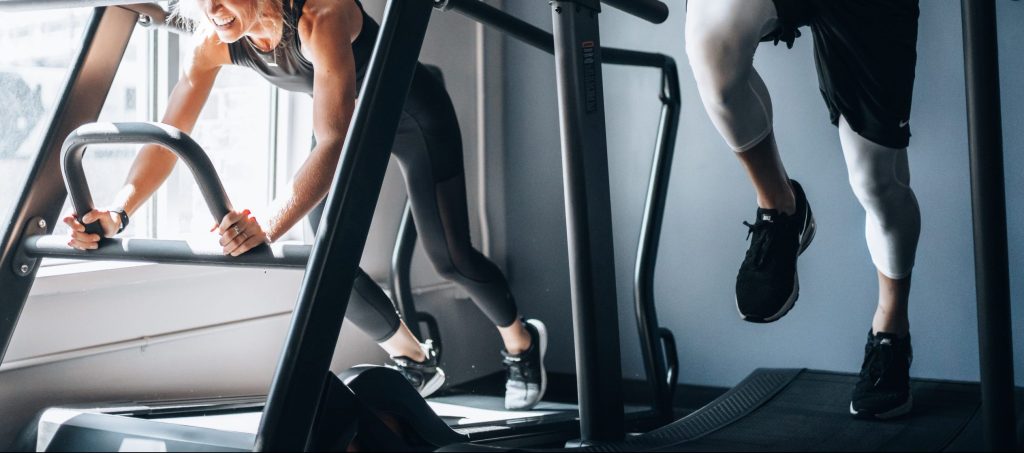
This type of routine can be anywhere from 15-20 minutes to 45-60 minutes. Meaning that you can adjust it to your (presumably) busy lifestyle. If you’ve got some time on your hands and want to blow off some steam, a longer HIIT session is what you need. You can also modify these HIIT routines according to your fitness level. Short 20 minute sessions without any equipment would be a perfect start for a beginner. However, using the gym to your advantage is also an option! HIIT can also be done by using cardio equipment, such as stationary bikes or treadmill.

    1. Can be done anywhere

There are no limits when it comes to HIIT. If you enjoy working out in the gym, you can do your HIIT routine in the CrossFit section, or anywhere for that matter. HIIT rarely takes up any space, you do most of the exercises in the same spot.  This means that it is perfect for home workouts, small apartments and crowded gyms. Your yard, or a local park can also be a perfect spot for a combination of some sunshine, fresh air and HIIT!

      1. You burn fat after your workout!

Not only do you get super sweaty and burn a lot of calories during your workout, but you also burn them after! Due to the intensity of the workout, HIIT can elevate your metabolism for hours after exercise. This results in burning additional calories even after you have finished exercising. Your metabolism needs time to recover after an intense workout because it uses up most of your oxygen. This is called oxygen debt or excess post-exercise oxygen consumption (EPOC). Oxygen consumption results in energy consumption, which is why you burn calories after intense exercise such as HIIT.

    1. Stress relief

A study which compared the benefits on mental health from both MIT ( Moderate-Intensity Training) and HIIT during the Covid 19 pandemic, has proven that HIIT reduces anxiety, depression and stress.  The participants were divided into two groups and monitored, one of them was preforming HIIT exercise, and the other MIT exercise. Moreover, the improvements obtained in the HIIT group seem to be greater than those of the MIT group in depression.

Notes and Tips on implementing HIIT in your routine.

    • Don’t overdo it!

Keep your workouts on a time limit, and try to avoid doing more than 90 minutes of HIIT per week.
Slowly start implementing it in your routine, by taking 20 minutes of your time each day, two to three times a week. Too much high intensity training puts stress on your body, and can lower your metabolic rate.

    • Avoid training close to bed time!

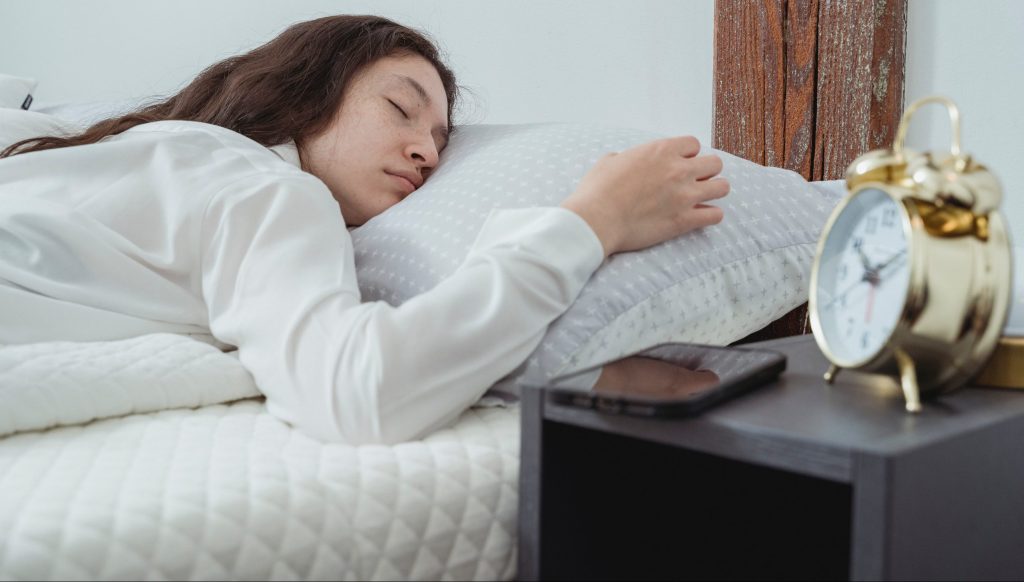
Elevating your heart rate before going to sleep is not ideal. Avoid exercise at night and too close to bed time, it can badly affect your ability to fall asleep, and your sleep quality.

    • Warm up before you exercise!

One of the most important steps to take before any kind of exercise, especially one that is high in intensity. Make sure to have a good warm up routine, in order to avoid injures and get your body ready for some vigorous exercise.  Don’t forget to also use a cool down routine, to slowly lower your heart rate.

 

(more…)

{post_title)

How to Overcome your Insecurities


Following beauty standards in this day and age, when social media rules over our lives is impossible. Trends come and go, and they all seem to attack men and women for the way they look or don’t look. When you scroll through TikTok or Instagram, all you see is people that seem perfect. They look beautiful, have glass skin, “perfect” body, and a perfect life. But how do you know that what you’re seeing is real?  Almost every content creator or influencer that you see on social media can fool you into thinking that they’re the epitome of some beauty standard, by using filters, and video editing.

However, the truth of the matter is, that even those people have something to be insecure about. People that seem very confident can also struggle with self-image, they have just found a way to accept their imperfections. Having insecurities is normal, but not ideal for your self-image and confidence. So, how do you work on overcoming your insecurities? Let’s begin by understanding these feelings and their causes.

What is insecurity?

Insecurity involves an overall sense of uncertainty or anxiety about your worth, abilities, skills, and value as a person, conveying the message that you’re at risk or in danger of something or someone. That negative impacts of insecurity could be physical, mental, or emotional. Without security, you can’t accomplish full trust or function to your fullest potential.

 Why you’re insecure.

The reasons for insecurity can be different for every individual. Some reasons can be: a low self-worth, low confidence, childhood trauma (such as emotional abuse, bullying etc.), anxiety, or even perfectionism. Social media could also be making you insecure, and a cause for most of the things listed above, be careful of what kind of content you consume on the internet!

Here is how to start working on overcoming your insecurities with three basic steps:

    1. Understand that other people also struggle with their insecurities.

As we already mentioned above, everyone you know struggles with their body image and self-worth. Did you know that Henry Cavill, the actor that is famous amongst men and the gym community for his perfectly masculine features and body, was a chubby kid, constantly bullied for his looks during his childhood? Yes, even the most “perfect-looking” celebrities struggle with their body image, and even eating disorders. Just like you, they are under societal pressure to look a certain type of way, and have feelings of insecurity. Some celebrities and influencers choose to be open about their struggles, in order to help some people like us feel less alone.

    1. Do not compare yourself to other people

On the other hand, comparing yourself to people on the internet, might be your biggest mistake! Mindlessly scrolling through social media, looking at fit, skinny or curvy women, and questioning why you don’t look like them, is feeding your insecurities. However, everyone is guilty of this crime, we all compare ourselves to others. We already talked about this in our previous blog, but comparison is the thief of joy. Work on self-love and be realistic on what you can “improve”, if you really feel the need to that. For example, you are insecure about your small glutes and stumpy legs. You cannot elongate your legs, but you can gain lean muscle and shape your legs to look less stumpy. You can also grow your glutes with increased protein intake and shape them with certain exercises. Another thing to consider is that you might be somebody’s body goals!

So stop beating yourself up for the way you look, you are perfect the way you are to somebody else, and you should be enough for yourself too.

    1. Work on being the best version of yourself

The most important step you can follow to beat your insecurities! If you really struggle with your body image, and the way you look, the key is to accept things you can’t change, and work on the things you can change. The FitSof team believes in positive change and self-improvement. There is no need to starve yourself, or overexercise to look your best: your fitness journey is not linear, and it will take time to reach your goals. Your physical and mental health should be your first priority! If you do prioritize these things, you will gain your confidence back, your insecurities will be invisible, and you will be unstoppable.

Lastly, remember this quote the next time you compare yourself to someone you see on social media:

All that glitters is not gold

(more…)

{post_title)

How to Fall in Love with Exercising


Keeping up with any kind of routine may be difficult at times. You might feel too exhausted ,lazy, or unmotivated to keep up and keep going. But the thing that is mostly messing with your ability to keep a routine up, is your motivation to do so. This reason is also why you can’t create, or keep up with any fitness routine. So, we figured out the first step you need to take to find that motivation, that drive to keep you going, let’s start with an example.

In the past, our coach Sofiia was always insecure about her arms. She used to get comments about how they were different from the rest of her body. She had nice and strong legs, shoulders and torso, but her arms were flabby. Since she got insecure about her arms, she decided to work on them and tone them. However, upper body exercises were just not her thing, and she loathed doing them, but decided to continue working on those muscle groups anyway. After a while, people noticed how toned and strong her arms looked. They complimented her and asked about her routine, they wanted to look like her. This is the moment Sofiia found her reason, her motivation and drive to keep going. Now she looks forward to training her upper body, as she has also noticed her growth.

How your mindset plays a part in this


Exercise has many benefits that might give you motivation to continue your fitness journey. But those might not be enough for you to keep up with every small part of your routine, especially when forming new habits. “Getting stronger” might not be enough of a reason to make you not skip leg day. Associating so-called leg day (the day you train legs on) with exhaustion and muscle cramps, won’t get you far: this is where your mindset comes in.

You always need a positive mindset to keep you going. If being strong, and healthy are not enough to keep you motivated, you need other reasons to do that. Those reasons might be very personal, and different for everyone. What usually drives people, is their insecurities. If you can’t overcome your insecurities, sometimes its best to try to battle them and change them. The good news is that, any form of exercise, such as resistance training and a good diet, can quite literally change your body. You can’t grow taller, but you can shape your stumpy legs, and your flabby arms!


How to stay motivated


There are two types of motivation: intrinsic and extrinsic motivation. 

  • Extrinsic motivation is the pursuit of a goal for the purpose of an external reward. In our case, it would be praise and compliments from other people, on how fit or strong we look.
  • Intrinsic motivation involves the pursuit of goals that have personal significance, without an external reward. In our case, it would be doing cardio because its fun and energizing, not for losing weight and being noticed by someone.

It is usually recommended that you find an Intrinsic motivation instead of the latter. Because extrinsic motivation relies on other people and external rewards, it might be putting too much pressure on you to achieve things, and ironically, not be enough to motivate you in the long run. However, even that extrinsic motivation comes from your wants and needs, and it might be good enough for you.

Our tip is to find a reason to fall in love with exercise! no matter if that reason is lead by extrinsic, or intrinsic motivation. That extrinsic motivation might lead you to your intrinsic motivation,, and it doesn’t even matter, as long as it helps. In the end, the benefits of exercising, or training that specific muscle group, will most probably outweigh your doubts and insecurities. Find your reason, the why you do the things you do, and you can do anything you commit yourself to.

{post_title)

Fitness Then and Now: 5 Positive Developments


Woman with a Hula Hoop in the 60’s

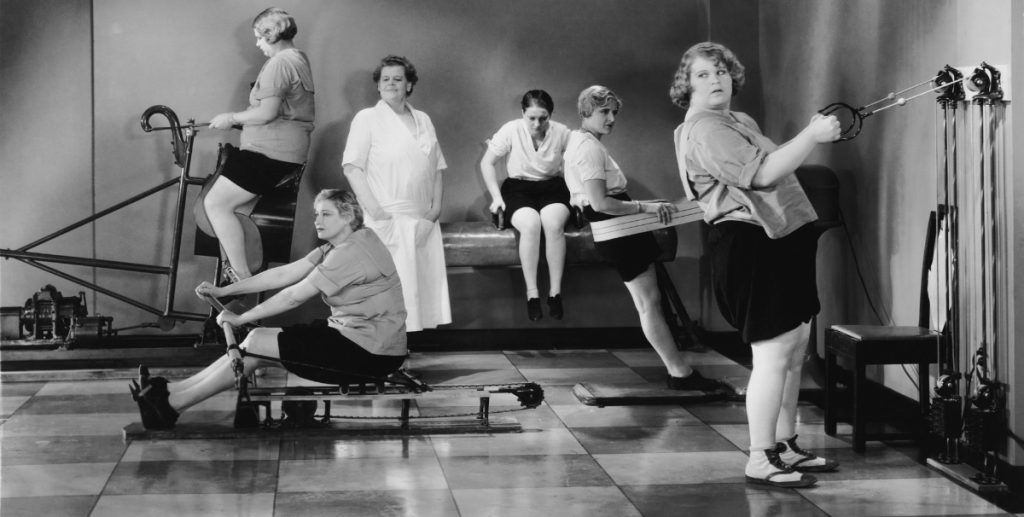
Fitness has developed and modernized through the years, but different forms of physical exercise have been around forever. We’ve went from only stretching to Hula Hoops and weird fitness devices in the 50’s and 60’s, to Jazzercise, Aerobics and Bodybuilding in the 70’s and 80’s. Also, we slowly made a shift of our exercise environment from working out in groups and outdoors, to homely, individual workouts.

However, we have also progressed with our understanding of nutrition. It was a slow, but much needed progress from the restrictive diets in the 20th century, but also the toxic diet culture from the 90’s and 2000’s. The toxic dieting and diet culture as a whole, made people battle with their body image, confidence and societal beauty standards. Unfortunately, this lead to a lot of unhappy people and development of a lot of eating disorders. But, times have changed and so have we, we have learned from our mistakes and now we know better. Let’s look throughout some positive changes that Fitness world has gone through.


The Fitness Mindset has changed


Along with the body positivity movement, came along inclusion, and acceptance of each body type, but also a desire for change and improvement. People started attacking the toxic diet culture and ignoring society’s beauty standards, by trying to be healthier and happier. The mindset “nothing taste as good as skinny feels”, low calorie diets, and ignoring whole food groups is no longer a thing in the 2020’s. A new generation of women and men are focusing on balanced nutrition, aiming for stronger bodies, healthy habits and watching out for their mental health.

More women in certain Fitness fields.


In the past, women were mostly included in sports and fitness practices that were considered more “feminine”. Sports like gymnastics, forms of exercise such as Aerobics, Pilates, and dancing-influenced exercise such as Jazzercise and Zumba. Bodybuilding is something that women rarely did in the 20th century, because they were discouraged from it. Nowadays, more and more women participate in strength training, weightlifting and bodybuilding, with it becoming trendy amongst teenagers and young women on social media. Women are now certain that weightlifting won’t make them look masculine, and the positive impact it can have on their health, so, it’s no wonder that most women spend their time in the gym now.

 Variety


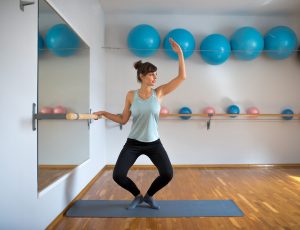
A woman doing Barre

Nowadays, there is something for everyone! People can enjoy a variety of physical exercises, training and movement. Pilates is growing in popularity again, strength training and weightlifting at the gym are at an all time high, and yoga is still highly popular, but those are not the only options anymore. HIIT, Hot Yoga, Water Aerobics, Circuit Training, Cardio Fusion, and Barre are only a small percent of what the fitness world offers now. You are able to explore, find the most enjoyable way to move your body and thrive!


Growing knowledge and understanding


As we already mentioned, the progress of Fitness has been undeniable, and we are continuing to learn and improve. There are more ways to move your body and exercise, but we have also invented new exercises and movements. You can see varieties of the same exercise, targeting the exact muscles you need it to, and with internet connection its accessible to anyone! Information is flooding on social media, and you can see fitness tips on ways to train and to improve, basically anywhere. You can also find online research articles, and fact-check everything if you want to!

 Equipment


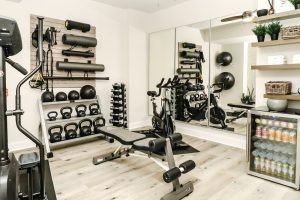
An example of a home gym

Lastly, there are all sorts of equipment you can use, according to what type of fitness you practice and what your needs are. There are many types of mats, weights, activewear for any type of home workouts if you enjoy Pilates, Yoga or Aerobics. There are also affordable options to invest in a home gym, and get equipment such as a treadmill, a barbell, a smart bike and similar things you can find at the gym. Again, there is something for everyone.

We hope that these five developments in Fitness helped you see the positive side of the Fitness world!
There are a lot of improvements and progress to be made, but let’s focus and cherish what we have achieved so far.

{post_title)

Sleep is important and it affects you and your body immensely. Not getting enough sleep, or sleeping badly influences your whole day. You wake up feeling groggy, you don’t have energy to start the day, you feel tired during the whole day and can’t be productive. Sleeping well is easier said than done. You might have a busy lifestyle, work a lot of hours, or have children to take care of, and we understand. However, we have some good news. Regular exercise and an active lifestyle can help you sleep better, and for longer, among other things! Let’s go through all the ways that exercise can improve your sleep:

Reduce sleep onset

Daily exercise and movement can extend your sleep time. Even moderate exercise, and light to moderate daily movement, can help. Not every day needs to be a gym day, all you need is light movement, and exercise that will help release the good chemicals, called endorphins. Exercise can increase sleep quality for adults by reducing sleep onset – or the time it takes to fall asleep – and decrease the amount of time they lie awake in bed during the night.

 Improved quality of sleep

Exercise can also improve the overall quality of sleep. A research on Exercise Training affecting sleep quality, found that HIIT improved all accelerometer parameters, with higher total sleep time and sleep efficiency, and lower wake after sleep onset. This means that not only aerobics, yoga and similar lower intensity exercises, but also higher intensity exercises such as HIIT, which takes more of your energy, will also help you sleep better.

Helps reduce daytime sleepiness

Feeling fatigued and tired during the day is common among adults. But, there is also a medical condition concerning this problem, and its called hypersomnia. Hypersomnia can cause you to fall asleep in inappropriate times, even if you take multiple naps a day, and still make you feel like you lack sleep. Even so, research has shown that exercise reduces daytime sleepiness indeed, and that it can help manage hypersomnia.

Helps with relieving symptoms of sleep disorders

Sleep disorders are difficult to manage, and physical exercise alone is not enough to relieve you from them, but it does help with the symptoms. Research has shown that both acute bouts of physical activity and regular physical activity improve a variety of sleep outcomes in healthy adults, with the effects typically small to moderate in magnitude.  The same research concluded that physical exercise may relieve some symptoms of sleep disorders such as insomnia and sleep apnea.

Improve your sleep-wake cycle

Your body has several internal clocks, called circadian clocks. These typically follow a 24-hour repeating rhythm, called the circadian rhythm. During these 24 hours, the body changes its internal temperature, which affects your sleep-wake cycle. When you exercise, your bodily temperature rises, which signals your body to stay awake. This is why it’s usually recommended that you don’t exercise at night. Some doctors may even recommend that you exercise 8 hours prior to sleeping, especially if you have a sleeping disorder. A review by Nature, suggests timing your exercise to maximize its benefits. They state that exercise can reset the molecular circadian clock, thereby effectively ameliorating the negative effects of disrupted sleep patterns.

SUMMARY

Regular physical exercise, no matter if its low intensity or high intensity, can help with almost every aspect of sleep. Research has shown that regular exercise can help improve the duration and quality of sleep. It can also help to reduce sleep onset, reduce daytime sleepiness, improve the sleep-wake cycle, and help with reducing symptoms of sleep disorders such as sleep apnea, insomnia, and hypersomnia.