{post_title)

Stop Starting Over – Your Fitness Journey isn’t Linear


Starting your fitness journey can be difficult. The new road you’re walking on can be rocky and filled with obstacles. Lack of motivation, as well as lack of reasons to continue the fitness journey might be stopping you and giving you doubts about where you’re at: whether you think what you’re doing isn’t enough, or it is becoming too much for you to keep up with.

The idea people have about fitness, how it works, and how it influences their lives is mostly false. Fitness isn’t linear, your journey doesn’t start and stop at some ending point. Achieving some goal, such as weight loss or muscle gain doesn’t put an end to the journey you invested your time, money and effort in. After you spend some months, or a year, exercising and doing your best with this new lifestyle you try to keep up with, you might face some situations that you might think are “obstacles” and are holding you back. Those obstacles might be everyday things, such as celebrations, holidays, hanging out with your friends, and even your own birthday. You find yourself craving some more food than usual, and you might want a sip of alcohol. Meanwhile, you observe everyone not restricting themselves as you are, and it’s making you anxious. This is where you should put a stop to your toxic thought process, relax and enjoy yourself, eat delicious food, have a drink and spend time with your loved ones.

How you think, and what you need to understand


Moreover, you don’t think positively, you think you’ve made a horrible mistake, and all you worked for the whole week is for nothing, right? Your day is ruined, you get depressed thinking that you overstepped, ate too much and ruined your calorie deficit, you definitely didn’t get the right amount of protein for that day etc. Then you make a decision, you say “maybe I’m not ready to dedicate myself to this lifestyle, I lack discipline, I will never be good enough, so I will stop and continue when I’m ready”. The next day, you eat less and you train harder, to burn the extra calories you consumed. Perhaps, you even starve yourself and do a juice cleanse, to detoxify your body from eating a piece of cake and drinking a cocktail.  Does this sound like you? It does sound ridiculous when you observe thoughts like this, so alter them, change this way of thinking. This thought process will get you stuck in a loop, a never-ending cycle of starting your fitness journey, and putting a stop to it. Meanwhile, you will let your health suffer again, you’ll slowly lose the reasons that kept you on the right path to a better you, and you won’t start again until you look in the mirror and notice something that bothers you.

How to break the cycle
 

As a beginner and a person that just started diving into the world of fitness, you have to understand that fitness isn’t linear. You don’t have to invest 100% of your time, money, will and strength for your fitness plan to work out. It’s important to reevaluate, think about your strengths and weaknesses and accept them, put your basic needs and your mental health first. It’s okay to eat more when you feel like it: start practicing intuitive eating to feel your best, and eat nutritious meals to keep you full for longer.
When you feel like you’ve overstepped, or made a mistake, alter your thought process and practice positive thinking, think about why you reacted that way and if it really does bother you, think about ways to avoid it next time. While having a plan with a solid and attainable goal in mind is great, you should always prepare for unexpected celebratory meals, outing with your friends and dinner parties. These normal social activities should not give you anxiety and fear of the food you’re going to consume. If they do, consider consulting your doctor and getting an opinion on whether you need professional help.


Conclusion


Fitness is a complex concept that involves the likes of nutrition, dieting, exercise, and if needed, taking the right kind of supplementation to help with keeping up with everything mentioned above.  It will not take you only a few months, or even a year to understand how everything works, and how to even start aiming and/or working for your set “goals”. Be patient with yourself and learn, try and fail, but do not give up. If you find yourself getting stuck on a toxic thought process, reevaluate your thoughts and change them. If a break is what you need desperately, take it. If you need to recover physically and mentally, then take your time. However, stop thinking that eating one bag of chips will ruin your whole year of hard work and dedication, because it is simply not true. Work on your mindset and remember:

“The only person you should try to be better than, is the person you were yesterday”.

{post_title)

Are abs made in the kitchen?


One of both women and men’s biggest insecurities is their belly fat. Almost everyone you know has probably complained to you at some point about looking “fat” while pointing to their belly. How much fat you store around the stomach depends on many factors such as genetics, your age and sex, or having diseases such as diabetes. However, most of the time, it comes down to your mental and physical health, your diet and the food you consume, and the way they affect your body.

Cortisol – the stress hormone is one of the leading causes of weight and fat gain in both men and women, but why? “Cortisol is released when you’re under stress. This sends your body into fight-or-flight mode, temporarily pausing regular bodily functions and slowing your metabolism”. Not does it only slow down your metabolism, but it also leads to craving sweet and salty food, which ultimately increases your calorie intake.

Now that we’ve mentioned some factors that might cause and influence your belly fat, lets answer your question. Are abs made in the kitchen? – well the answer is not that simple. In order to have visible abs, a sculpted stomach and a thin waistline, you must have lower body fat.

How is lower body fat percentage achieved?


A healthy body fat percentage for women is between 25-31%, and for men this range is around 18-24%%. If you are overweight and have a high fat percentage, it may be time to consider adopting a healthier lifestyle.

some tips you can follow:

Eat in a calorie deficit

If you need to lose weight when opting for better overall health. Try being in a calorie deficit until you reach a healthy weight, then maintain that weight. This does not mean that you should follow a restricting diet. You can implement the food you enjoy in your diet, you only need to stick to the calorie deficit.

Learn about Macronutrients (Macros) and count them.

Macros are nutrients including carbs, proteins and fats. Increase your protein intake, eat fiber-rich food and vegetables, and include more slow-digesting carbs in your diet.

Avoid liquid calories, including alcohol.

Liquid calories count as any other source of calories! They can add on to the calories you already consume, and produce abdominal fat, while also producing acid reflux and causing bloating.

Start resistance training and try HIIT workouts!

Research shows that HIIT can increase your metabolism and reduce both subcutaneous fat and belly fat better than other types of exercise, including moderate-intensity training and aerobic exercise. Resistance training can also help you build muscle and lose fat at the same time, while increasing your metabolism.

Maintain a sleeping schedule, and get a good nights’ sleep!

Prioritizing rest and sleep will help you with both your mental and physical health. When you don’t get enough sleep, you have less energy to get your daily movement and exercise. Meanwhile, your body releases cortisol and conserves energy (body fat) while increasing your cravings.

Does exercising play a role in this?


The simple answer is, yes, but not as big of a role as you might think. Your diet is the most important component in your fitness journey. It is responsible for 80% of your progress and the way you look; the rest of the 20% is your daily movement, exercise or training. Imagine that you spend three hours in the gym every morning, then come home and eat cereal, eat take out for dinner, have snacks like chocolates and chips all day and finish the day off with a big bowl of pasta. Do you think that will give you the results you want? The answer is no, even if the results you want are weight gain. If your body doesn’t get the macros, the nutrients it needs daily, your fitness goals cannot be achieved. Healthy weight gain or weight loss is the way, stick to the tips given above and fuel your body properly.

There are no specific exercises that will target your abdominal muscles and cause fat loss in the midsection. Spot reduction is a myth: targeting specific areas of your body, and only losing fat/weight in that particular spot is impossible. What you can do is combine your healthy nutrition and diet, together with your fitness exercising plan, be patient, consistent and stop starting over.
Abs are made in the kitchen, and no matter how hard you exercise, lift weights, or run, you can’t outwork your bad diet.

{post_title)

5 Things I Wish I Knew Before I Began My Fitness Journey


Everyone starts somewhere. Whether it’s a new hobby or a lifestyle change, the beginnings are always tough. At first, when you start your fitness journey, it may be exciting to try new things, and see how far you can go. You will be excited to finally take those extra steps to better yourself, you’ll buy equipment and workout clothes, maybe try a protein shake; but then things start to change. You go to the gym and you start feeling lost. Everyone around you seems to know what they’re doing, except you. You may be at home and struggling to finish a fifteen-minute YouTube workout, wondering if you can find motivation to continue on this journey.

During this period of uncertainty and doubt, the best thing you can do for yourself is educating yourself, yes, you read that right! Watch videos, listen to podcasts, read articles, blogs, books, anything that will provide you with the information you need. Lack of knowledge and information about your new lifestyle choices, may lead you to quit without even really starting. Nobody starts working out and immediately knows how to hold proper form, or knows a number of exercises that target each muscle group. Everything you aspire to become, is learned through trial and error, which brings us to the first point:

1. Everyone was a beginner at some point


Education about fitness is crucial, in every form or way that you want to consume it, but it’s not the only thing you need at the beginning of your journey. Even with all the information provided on the internet, some people still might need a little push. Asking for help from enthusiasts or professionals is totally okay! Most of the people in the fitness world, will be glad to lend you a hand, motivate you or educate you. Don’t let your insecurities hold you back. Being shy, insecure or anxious is normal, even in the world of fitness. As you continue showing up to the gym, your Yoga or Pilates class, these insecurities will slowly fade away. You will eventually realize that nobody is staring at you, and everybody is invested in their progress, this we can promise.

2. Restricting food and dieting won’t help you lose weight.


There are thousands of diets out there, most of women have tried a number of them, but do they actually work? Usually, diets give you only short-term results, which can backfire if you’re not careful. The National Eating Disorders Association reports that 35% of “normal dieters” progress to pathological dieting and that 20-25% of those individuals develop eating disorders. If you want to lose weight in a healthy matter, and maintain that weight, you need a lifestyle change, not a diet. Remember that food is fuel; you need fuel for your brain, heart and muscles to function properly. Read our blog post on the classic debate whether abs are made in the kitchen and read our tips for advice on fat loss.

3. Stick to a workout program or routine


We recommend sticking to a routine for the best results. Even in the first month, when you’ve just started, its important to have some routine to practice. Presumably, you wont be able to write one for yourself as you are starting your journey, but there are always routines that you can download, or watch on the internet. These ready-made routines will help you learn as you exercise. Sticking to a routine for weeks or a few months will teach you about proper form, and most importantly discipline. Your confidence will only increase when you notice that you get better and stronger each week. Don’t be afraid to try routines, and even challenges if you’re feeling extra motivated! Extra tip for the ladies – don’t be afraid to add weight to your workouts! They will not make you look bulky or less feminine, just look at our coach Sof!

4. Feeling sore isn’t always a good thing


Muscle soreness is normal, for the most part. At the beginning, when you first start exercising, or when trying a new routine, your muscles may be more sore than usual, but be aware. Being sore all the time, accompanied by fatigue, might be a sign that you are overdoing it! Prioritize rest for muscle repair and your health in general. Overexercising might spike your cortisol, disbalance your hormones and lead to serious injuries. Consider stretching before and after exercising in order to avoid muscle soreness and injuries.

5. Motivation is learned


This is the most important point that we saved for last. No one you know is driven by any kind of motivation. The key to reaching your fitness goals is consistency, effort and discipline. All of these factors combine together and drive your motivation. Each one of these things need to be learned and practiced every day, in order for you to get what you want. So, even on your bad days, show up and do your routine. You can cut the routine short, or do it slower, anything that will help you complete it. Once you finish your exercise for the day you will feel so much better, your energy will skyrocket, your brain will be awake, and your sense of accomplishment will be fulfilled. Never give up the chance to become a better version of yourself!

Don’t forget to check out FitSof’s Push Start beginner program, where we implement tips like these, along with the 4-week exercise routines, and a guide on nutrition!

{post_title)

How to Overcome your Insecurities


Following beauty standards in this day and age, when social media rules over our lives is impossible. Trends come and go, and they all seem to attack men and women for the way they look or don’t look. When you scroll through TikTok or Instagram, all you see is people that seem perfect. They look beautiful, have glass skin, “perfect” body, and a perfect life. But how do you know that what you’re seeing is real?  Almost every content creator or influencer that you see on social media can fool you into thinking that they’re the epitome of some beauty standard, by using filters, and video editing.

However, the truth of the matter is, that even those people have something to be insecure about. People that seem very confident can also struggle with self-image, they have just found a way to accept their imperfections. Having insecurities is normal, but not ideal for your self-image and confidence. So, how do you work on overcoming your insecurities? Let’s begin by understanding these feelings and their causes.

What is insecurity?

Insecurity involves an overall sense of uncertainty or anxiety about your worth, abilities, skills, and value as a person, conveying the message that you’re at risk or in danger of something or someone. That negative impacts of insecurity could be physical, mental, or emotional. Without security, you can’t accomplish full trust or function to your fullest potential.

 Why you’re insecure.

The reasons for insecurity can be different for every individual. Some reasons can be: a low self-worth, low confidence, childhood trauma (such as emotional abuse, bullying etc.), anxiety, or even perfectionism. Social media could also be making you insecure, and a cause for most of the things listed above, be careful of what kind of content you consume on the internet!

Here is how to start working on overcoming your insecurities with three basic steps:

    1. Understand that other people also struggle with their insecurities.

As we already mentioned above, everyone you know struggles with their body image and self-worth. Did you know that Henry Cavill, the actor that is famous amongst men and the gym community for his perfectly masculine features and body, was a chubby kid, constantly bullied for his looks during his childhood? Yes, even the most “perfect-looking” celebrities struggle with their body image, and even eating disorders. Just like you, they are under societal pressure to look a certain type of way, and have feelings of insecurity. Some celebrities and influencers choose to be open about their struggles, in order to help some people like us feel less alone.

    1. Do not compare yourself to other people

On the other hand, comparing yourself to people on the internet, might be your biggest mistake! Mindlessly scrolling through social media, looking at fit, skinny or curvy women, and questioning why you don’t look like them, is feeding your insecurities. However, everyone is guilty of this crime, we all compare ourselves to others. We already talked about this in our previous blog, but comparison is the thief of joy. Work on self-love and be realistic on what you can “improve”, if you really feel the need to that. For example, you are insecure about your small glutes and stumpy legs. You cannot elongate your legs, but you can gain lean muscle and shape your legs to look less stumpy. You can also grow your glutes with increased protein intake and shape them with certain exercises. Another thing to consider is that you might be somebody’s body goals!

So stop beating yourself up for the way you look, you are perfect the way you are to somebody else, and you should be enough for yourself too.

    1. Work on being the best version of yourself

The most important step you can follow to beat your insecurities! If you really struggle with your body image, and the way you look, the key is to accept things you can’t change, and work on the things you can change. The FitSof team believes in positive change and self-improvement. There is no need to starve yourself, or overexercise to look your best: your fitness journey is not linear, and it will take time to reach your goals. Your physical and mental health should be your first priority! If you do prioritize these things, you will gain your confidence back, your insecurities will be invisible, and you will be unstoppable.

Lastly, remember this quote the next time you compare yourself to someone you see on social media:

All that glitters is not gold

(more…)

{post_title)

How to Fall in Love with Exercising


Keeping up with any kind of routine may be difficult at times. You might feel too exhausted ,lazy, or unmotivated to keep up and keep going. But the thing that is mostly messing with your ability to keep a routine up, is your motivation to do so. This reason is also why you can’t create, or keep up with any fitness routine. So, we figured out the first step you need to take to find that motivation, that drive to keep you going, let’s start with an example.

In the past, our coach Sofiia was always insecure about her arms. She used to get comments about how they were different from the rest of her body. She had nice and strong legs, shoulders and torso, but her arms were flabby. Since she got insecure about her arms, she decided to work on them and tone them. However, upper body exercises were just not her thing, and she loathed doing them, but decided to continue working on those muscle groups anyway. After a while, people noticed how toned and strong her arms looked. They complimented her and asked about her routine, they wanted to look like her. This is the moment Sofiia found her reason, her motivation and drive to keep going. Now she looks forward to training her upper body, as she has also noticed her growth.

How your mindset plays a part in this


Exercise has many benefits that might give you motivation to continue your fitness journey. But those might not be enough for you to keep up with every small part of your routine, especially when forming new habits. “Getting stronger” might not be enough of a reason to make you not skip leg day. Associating so-called leg day (the day you train legs on) with exhaustion and muscle cramps, won’t get you far: this is where your mindset comes in.

You always need a positive mindset to keep you going. If being strong, and healthy are not enough to keep you motivated, you need other reasons to do that. Those reasons might be very personal, and different for everyone. What usually drives people, is their insecurities. If you can’t overcome your insecurities, sometimes its best to try to battle them and change them. The good news is that, any form of exercise, such as resistance training and a good diet, can quite literally change your body. You can’t grow taller, but you can shape your stumpy legs, and your flabby arms!


How to stay motivated


There are two types of motivation: intrinsic and extrinsic motivation. 

  • Extrinsic motivation is the pursuit of a goal for the purpose of an external reward. In our case, it would be praise and compliments from other people, on how fit or strong we look.
  • Intrinsic motivation involves the pursuit of goals that have personal significance, without an external reward. In our case, it would be doing cardio because its fun and energizing, not for losing weight and being noticed by someone.

It is usually recommended that you find an Intrinsic motivation instead of the latter. Because extrinsic motivation relies on other people and external rewards, it might be putting too much pressure on you to achieve things, and ironically, not be enough to motivate you in the long run. However, even that extrinsic motivation comes from your wants and needs, and it might be good enough for you.

Our tip is to find a reason to fall in love with exercise! no matter if that reason is lead by extrinsic, or intrinsic motivation. That extrinsic motivation might lead you to your intrinsic motivation,, and it doesn’t even matter, as long as it helps. In the end, the benefits of exercising, or training that specific muscle group, will most probably outweigh your doubts and insecurities. Find your reason, the why you do the things you do, and you can do anything you commit yourself to.

{post_title)

Most women and men start their fitness journey with one goal in mind – weight loss. The food we eat nowadays is highly processed, unhealthy and bad for us. Not everyone can afford fresh, organic and food better in quality. Most people settle for what they can get their hands on, and what their budget allows. Furthermore, This leads to people making the wrong choices for their health, while obesity is a growing factor in our society. It’s no wonder that we get obsessed with losing weight, nowadays, it can be such a difficult thing to do. Even food that is marketed “healthy” and “diet” friendly, is processed and full of sugar, and the scale keeps going up, so what do we do?

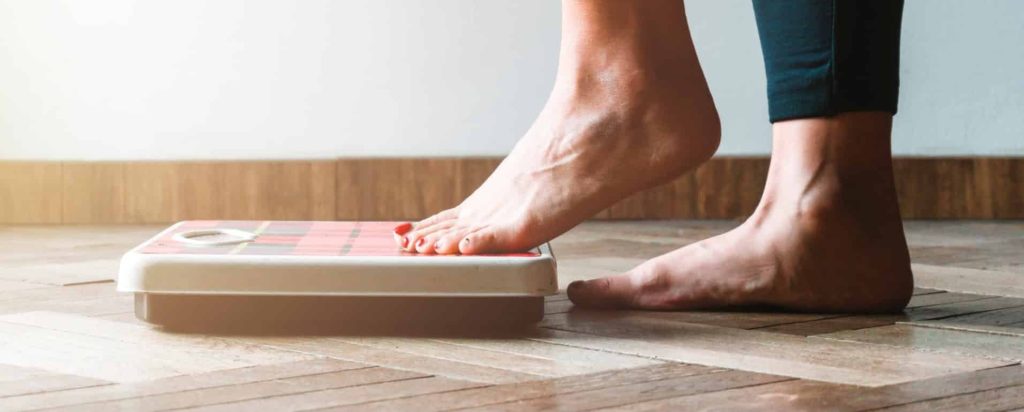
Undoubtedly, its important to set realistic goals in order to take care of our mental health and promote healthy weight loss. Measuring your weight every day, and counting calories of every bite you eat, will not help you. Your goals should be measured in healthy ways that will motivate and help you push forward to be the healthiest version of yourself. Here are 3 reasons why you shouldn’t measure your goals on the scale:

1. Being skinny doesn’t always equal being healthy.


Excessively dieting and over exercising can lead to many issues such as malnutrition, weakened immunity system and heart problems. Your pursuit of the “perfect body” can lead you on the wrong path, being underweight can be as bad as being overweight!

2.  Your body changes as you age.


Your body goes through a lot of change during your lifetime, this counts for both men and women. The biggest changes happen during your teenage years when growing into your adolescent body, and after the age of 40. You can’t expect to have the same weight at 18, 28 and 38. It’s normal for your body to grow and go through change, so you have to accept the change and work with it!

3. Your goals might change with time.


Goals change along with your fitness journey. Firstly, you might start exercising and eating healthier in order to lose weight and be as thin as possible, but then you change your perspective. You notice how you start feeling better and stronger, and wish to look more like you feel, so you end up wanting to gain more muscle! Consequently, this change will affect the number on your scale, but there is no need to panic. Gaining weight isn’t always a bad thing, and it might be a sign of you achieving your goals, but your mindset about it is what matters the most. What’s important is that you feel and look better, stronger and healthier, do not let the number on the scale mislead you.


You may have trouble accepting your weight and your body, especially if you let how much you weigh bother you, so, here’s how to measure your goals instead:


1. You look better


One of the first things you notice after a few months of exercise, is the way you look. You slowly notice your “beginner gains”, meaning that you gain some muscle, lose some fat and your body is starting to look more toned. During these few months, you’ll probably lose some weight. In the next few months, you’ll notice that the scale is going up again. Now you wonder, “why do I look better, but the scale is going up?” the answer is that your body is replacing fat with muscle, and that’s good news! This is the first reason why you should probably ignore the scale, and trust yourself instead.

2. You can find clothes that fit you.


Picking clothes that fit well can be a nightmare. Not everyone enjoys shopping, especially if it reminds them of their insecurities. Overweight and underweight people can struggle with their confidence and buying clothes for themselves. No matter if your goal was to lose or gain weight, when you start achieving it and building confidence in your looks, shopping gets easier. You can finally find fashionable pieces that make you feel and look good, and that’s a good reason to motivate you to keep going. However, extrinsic motivation may not be enough , so your best bet is to focus on your how you’re feeling inward.


3. Finally, Its most important that – You feel better


The most rewarding thing about practicing any form of fitness or exercise, are the countless benefits! Not only will you look better, but you will feel better, in every way. Your mental health will have significant improvements: you’ll get more dopamine and serotonin, making you happier, feeling more energized and getting better sleep. You’ll have more strength and endurance, energy and willpower to live your life, and that is the ultimate goal!


{post_title)

5 Benefits of Practicing Yoga Daily


Yoga is a Northern Indian practice, which has been around for more than 5,000 years.  In the past decade, it’s popularity rose with it being practiced by fitness and social media influencers. Meanwhile, YouTube is still flooded with yoga tutorials, but why are people obsessed with it?  Because Yoga is not what it appears to be at first glance: it’s not just stretching, taking deep breaths and improving flexibility. Yoga is as spiritual as it is physical, and for some, its a way of life.

Yoga is an ancient practice of which there are many styles of, even some modern ones such as Hot Yoga, Yin Yoga and Vinyasa Yoga. You can try out any style and enjoy the benefits, but what are they? Believe it or not, Yoga has a countless number of benefits on your body in mind, which explains why it has been practiced for more than a thousand years!

We can’t possibly number all of the benefits that Yoga has to offer, but here are our top 5 Benefits of Practicing Yoga, that will convince you to incorporate it into your daily life:


1. Physical benefits


Yoga is very beneficial for your whole body, your organs and fitness performance. It increases your muscle strength, flexibility, balance, joint and bone health, while also preventing injuries. The many types of breathing techniques that the practice uses, can improve your blood flow to the lungs, heart, and blood vessels, improving your respiration altogether.

2. Brain health benefits


Yoga strengthens parts of the brain that play a key role in memory, attention, awareness, thought, and language. Studies using MRI scans and other brain imaging technology have shown that people who regularly did yoga had a thicker cerebral cortex and hippocampus compared with nonpractitioners. Because your brain releases dopamine and serotonin when you practice yoga, it can also help you with anxiety, depression and especially stress! The many poses that you perform release the tension from your body and brain, and the breathing helps you relax, which leads to destressing.

3. Heart health benefits


As we previously mentioned, yoga has benefits for your organs, especially for the most important ones, such as the heart. Every yoga pose has a particular effect on the respiratory system and therefore, affects the heart. The benefits include:

    • Lower blood pressure.
    • Increased lung capacity.
    • Lower bad cholesterol levels.
    • Improved heart rate
    • Boost blood circulation.

4.  Improved Body image and relationship with food


As yoga can help with physical and mental health, it can also positively influence the relationship you have with your body. As you move your body daily, you learn to appreciate it and what it can do for you, instead of focusing on how it looks. You can gain a better mind to body connection, grow more confident, and be satisfied with your body image. Along with this, you may gain better control of hunger cues, hunger and create a positive relationship with food. Some dedicated yoga practitioners also follow the Yogic Diet, which promotes non-violence, sattvic foods, purity and cleanliness, for the ultimate health benefits.


5.  Better sleep


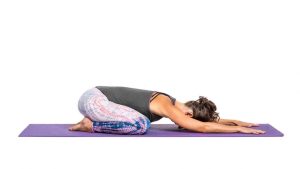
Child's pose
Child’s pose

A bedtime yoga routine is the perfect formula for good sleep. Not only can yoga improve your sleep time and quality, but it can also help treat insomnia. The relaxation, mindfulness and the calm that comes with practicing yoga, will help you fall asleep faster, and stay asleep for longer. Some popular poses such as the child’s pose are the perfect way to unwind after a long and stressful day, so give it a try!

We hope that you found this list of benefits useful, and that it gave you a reason to incorporate yoga into your daily routine!

{post_title)

Sleep is important and it affects you and your body immensely. Not getting enough sleep, or sleeping badly influences your whole day. You wake up feeling groggy, you don’t have energy to start the day, you feel tired during the whole day and can’t be productive. Sleeping well is easier said than done. You might have a busy lifestyle, work a lot of hours, or have children to take care of, and we understand. However, we have some good news. Regular exercise and an active lifestyle can help you sleep better, and for longer, among other things! Let’s go through all the ways that exercise can improve your sleep:

Reduce sleep onset

Daily exercise and movement can extend your sleep time. Even moderate exercise, and light to moderate daily movement, can help. Not every day needs to be a gym day, all you need is light movement, and exercise that will help release the good chemicals, called endorphins. Exercise can increase sleep quality for adults by reducing sleep onset – or the time it takes to fall asleep – and decrease the amount of time they lie awake in bed during the night.

 Improved quality of sleep

Exercise can also improve the overall quality of sleep. A research on Exercise Training affecting sleep quality, found that HIIT improved all accelerometer parameters, with higher total sleep time and sleep efficiency, and lower wake after sleep onset. This means that not only aerobics, yoga and similar lower intensity exercises, but also higher intensity exercises such as HIIT, which takes more of your energy, will also help you sleep better.

Helps reduce daytime sleepiness

Feeling fatigued and tired during the day is common among adults. But, there is also a medical condition concerning this problem, and its called hypersomnia. Hypersomnia can cause you to fall asleep in inappropriate times, even if you take multiple naps a day, and still make you feel like you lack sleep. Even so, research has shown that exercise reduces daytime sleepiness indeed, and that it can help manage hypersomnia.

Helps with relieving symptoms of sleep disorders

Sleep disorders are difficult to manage, and physical exercise alone is not enough to relieve you from them, but it does help with the symptoms. Research has shown that both acute bouts of physical activity and regular physical activity improve a variety of sleep outcomes in healthy adults, with the effects typically small to moderate in magnitude.  The same research concluded that physical exercise may relieve some symptoms of sleep disorders such as insomnia and sleep apnea.

Improve your sleep-wake cycle

Your body has several internal clocks, called circadian clocks. These typically follow a 24-hour repeating rhythm, called the circadian rhythm. During these 24 hours, the body changes its internal temperature, which affects your sleep-wake cycle. When you exercise, your bodily temperature rises, which signals your body to stay awake. This is why it’s usually recommended that you don’t exercise at night. Some doctors may even recommend that you exercise 8 hours prior to sleeping, especially if you have a sleeping disorder. A review by Nature, suggests timing your exercise to maximize its benefits. They state that exercise can reset the molecular circadian clock, thereby effectively ameliorating the negative effects of disrupted sleep patterns.

SUMMARY

Regular physical exercise, no matter if its low intensity or high intensity, can help with almost every aspect of sleep. Research has shown that regular exercise can help improve the duration and quality of sleep. It can also help to reduce sleep onset, reduce daytime sleepiness, improve the sleep-wake cycle, and help with reducing symptoms of sleep disorders such as sleep apnea, insomnia, and hypersomnia.

{post_title)

One of the first things we learn in biology class is that the human body is consisted of mostly water. Even with knowing this, we still question the importance of water, whether we should drink more of it or not. Water is vital to our health, and plays a key role in the way our body functions. This means that water intake is something we should take seriously, so we can give our body what it needs to function properly.

Here are some of the key factors of why water intake is important:


It aids digestion

Water helps break down the food you eat, allowing its nutrients to be absorbed by your body. After you drink, both your small and large intestines absorb water, which moves into your bloodstream and is also used to break down nutrients.

It regulates body temperature

Water helps regulate your body temperature by distributing heat, and cooling the body through respiration. It helps by moving it to the vital organs and preventing it from extremities when it is needed to maintain heat. When your body temperature is heightened, water regulates this by exiting your body through the form of sweat.

It aids in cognitive function

Because the brain has more water mass than the body, we should prioritize water intake for the health of our brain and cognitive function. Water maintains the fluid levels in your brain,  maintains neurogenic (creation of new neurons), and flushes out metabolic waste. It also maintains proper blood and oxygen circulation in your brain.

It prevents dehydration

Dehydration is a condition in which you lose more body fluid (water) than you intake. Some symptoms of dehydration are fatigue, dizziness, headaches, chills, constipation, dark colored urine and loss of appetite. If you experience any of these symptoms, especially on the daily, its time to start hydration seriously.

It helps your skin and body

The skin is the largest organ in your body. Water hydrates your body and skin, balances your pH levels, it promotes elasticity, prevents the skin from sagging or dehydrating, and forming wrinkles. By flushing out toxins, water also prevents the creation of acne and pimples, especially hormonal acne. If you hydrate properly, water can also help you with weight loss and cellulite If you drink water before and during meals, it can help you feel fuller and satisfied with your meal, which can make you crave less food.

On another note,  people don’t struggle with understanding how important water is, but how to actually stay hydrated. The small research we conducted through Instagram polls, showed that 27% of our followers are aware that they are not consuming enough water: 55% of them attempt to stay hydrated , and only 9% are confident in their daily water intake. The
body can show signs of dehydration, even if you don’t notice them (signs are listed above). You shouldn’t ignore them and try to stay hydrated. But how do you learn the habit of staying hydrated? 
Here are some tips to follow and stay hydrated:
    • Drink a glass of warm water with lemon as soon as you wake up
    • Keep a water bottle next to you at all times, and refill it during the day.
    • Prioritize water over any other drinks
    • Have a glass of water with every meal
    • Find healthy substitutes for water if you don’t like the taste of it, such as tea.